

Climbing plants like wisteria and ivy are undeniably beautiful. Across South London, many period homes are enhanced by trailing vines that add charm, elegance and a timeless aesthetic. When carefully maintained, they can elevate the appearance of a property and create real kerb appeal.
However, beneath that beauty, climbing plants can create hidden structural and moisture-related problems.
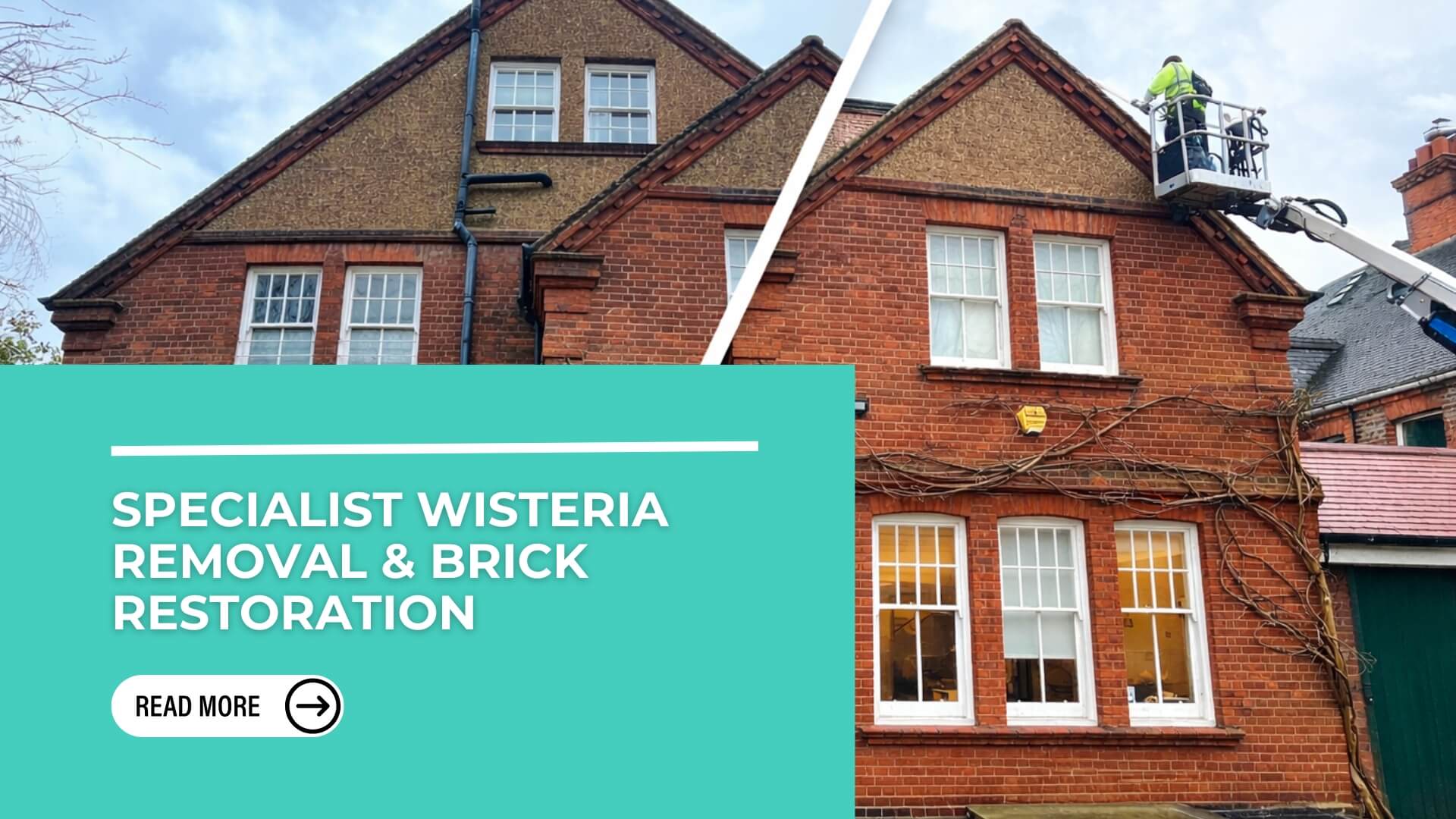
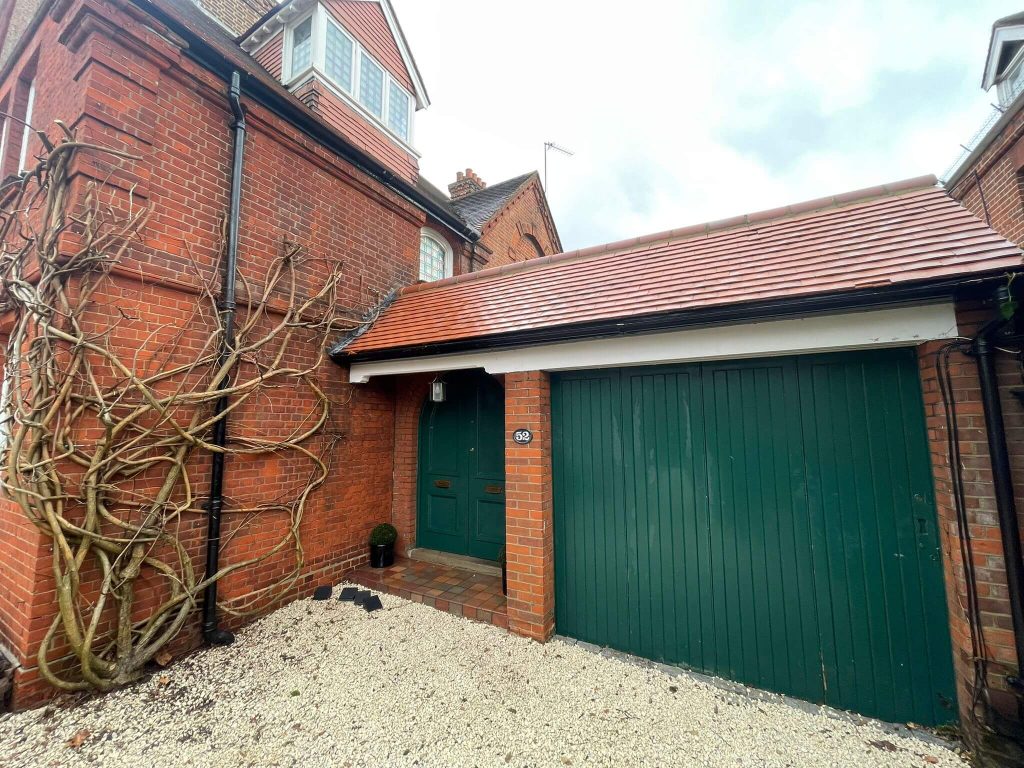
In this recent South London project, we carried out a full brick cleaning and wisteria removal service to restore the natural red brick façade and protect the building from long-term damp and organic growth. The transformation was significant, revealing just how much staining had built up beneath the plant coverage.
Why Wisteria and Ivy Can Cause Problems for Brickwork
Wisteria and ivy grow by attaching themselves firmly to brickwork, mortar joints and surrounding structures. Over time, the woody stems become thicker and heavier, wrapping tightly around gutters, downpipes and architectural features. While this looks attractive, it can trap moisture against the brick surface and prevent the wall from drying properly after rainfall.
Brick is naturally porous. When moisture remains on the surface for prolonged periods, it creates the perfect conditions for algae, moss and organic staining to develop. This often appears as green discolouration, particularly on shaded elevations or lower brick courses.
If left untreated, constant moisture exposure can begin to weaken mortar joints. In some cases, plant growth can even force itself into small gaps within the mortar, gradually widening them. Over time, this can increase the risk of penetrating damp and reduce the lifespan of the brickwork.
It is important to acknowledge that wisteria can look absolutely stunning on period properties. Our approach is never about removing character unnecessarily. Instead, it is about protecting the structure while maintaining aesthetic appeal wherever possible.
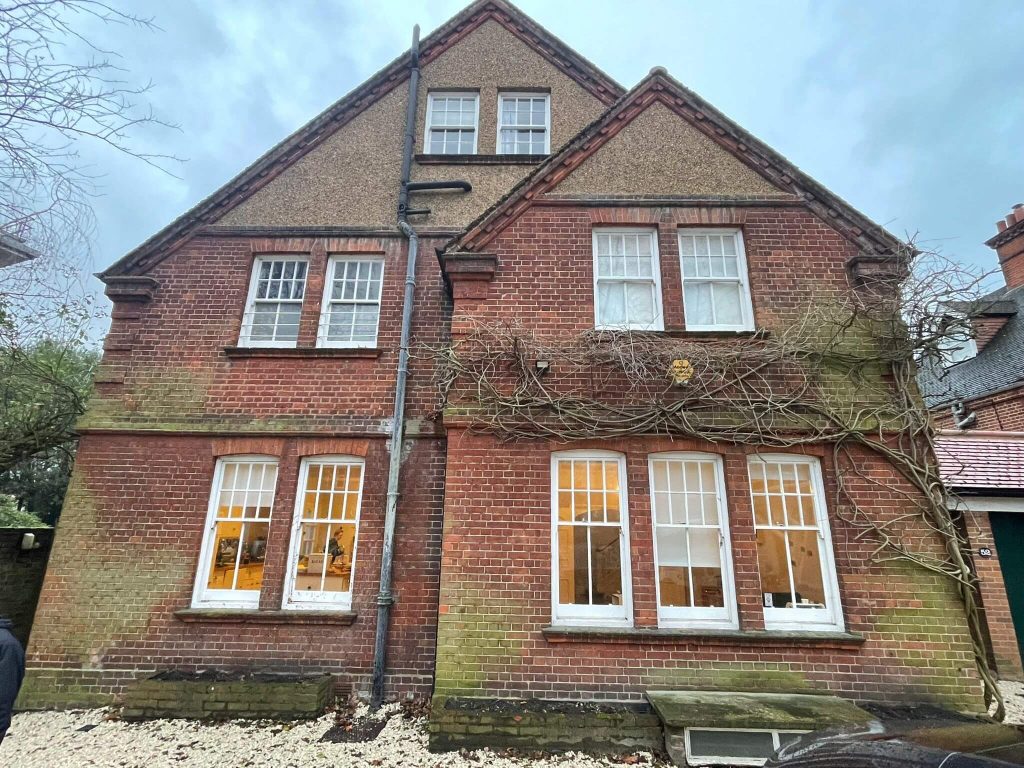
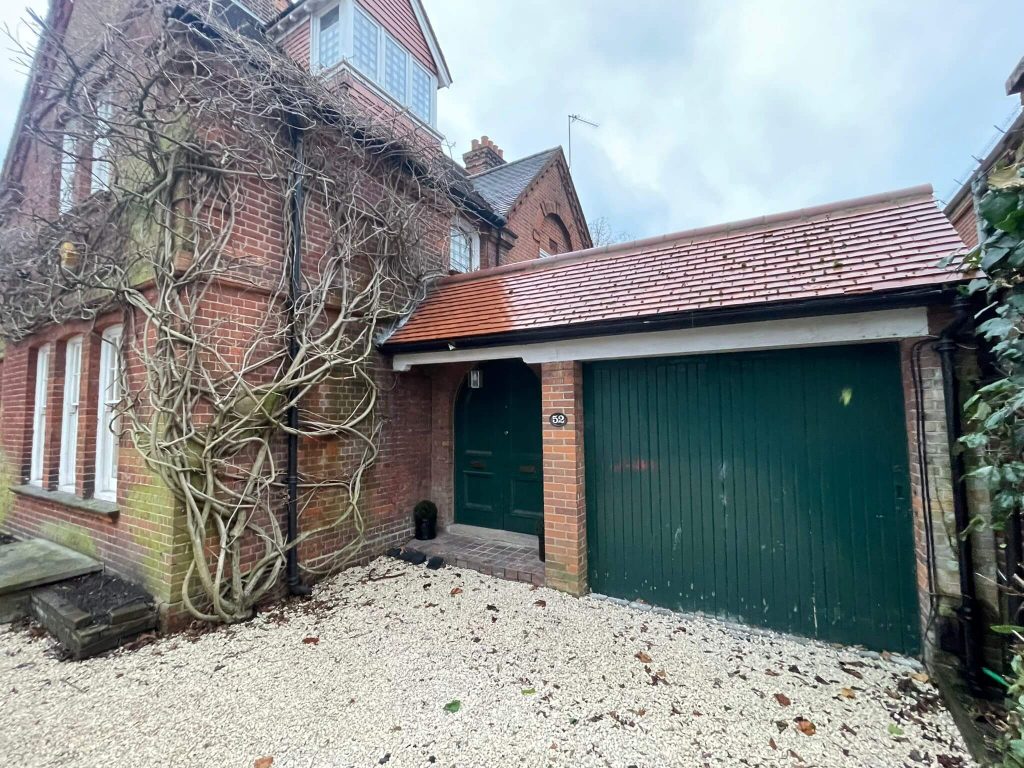
Before: Heavy Wisteria Growth and Brick Discolouration
When we first attended this South London property, the façade was heavily covered in wisteria growth. Large sections of brickwork were shaded and moisture staining was clearly visible across the lower courses. Organic growth had built up in areas where the wall was unable to dry properly.
How We Carried Out the Brick Cleaning and Wisteria Removal
This project required safe access to upper elevations. We completed the works using our in-house cherry picker, allowing us to operate efficiently without the need for scaffolding. By owning and operating our own access equipment, we reduce delays, maintain control of site safety and provide a more streamlined service for our clients.
The wisteria was carefully removed in stages to avoid damaging the underlying brickwork. Once the plant material was cleared, we carried out specialist brick cleaning using controlled methods suited to the age and condition of the property. Our approach ensured that staining was removed while preserving the integrity of the mortar joints and the fired face of the brick.
The result was a clean, restored façade that revealed the original warm red tones of the brickwork.
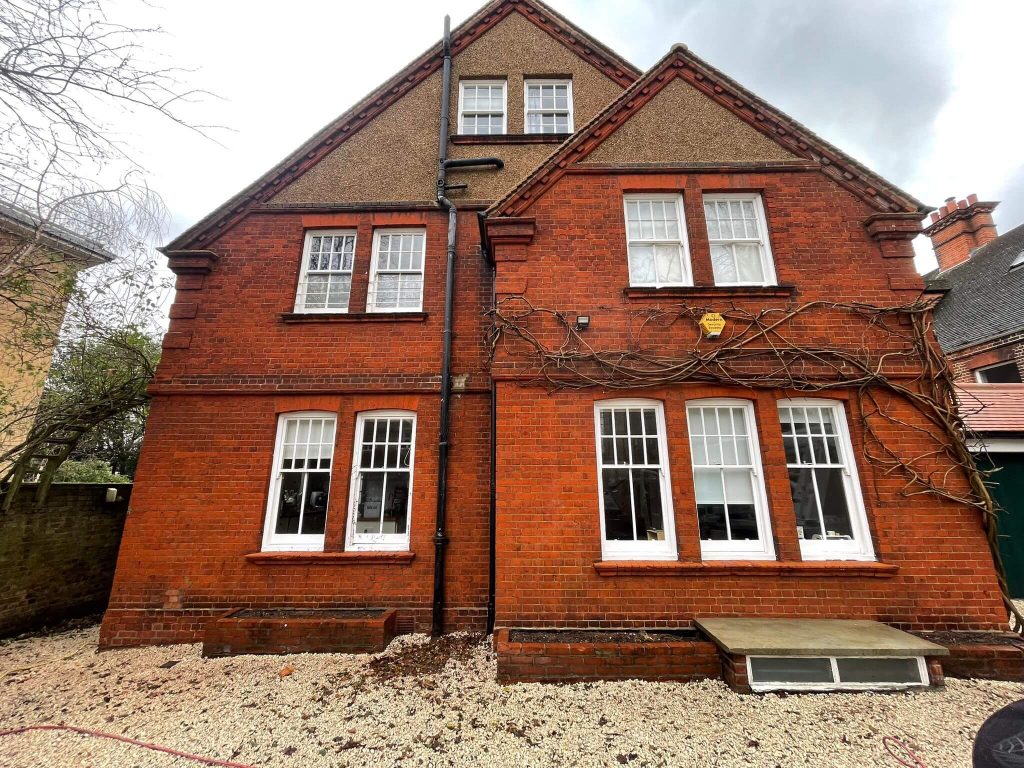
After: Restored Red Brick and Improved Appearance
Once cleaned, the transformation was clear. The brickwork appeared brighter, fresher and more uniform in colour. Areas that had previously been darkened by organic growth were restored to their natural finish.
Why Professional Brick Cleaning Is Essential
Brick cleaning must always be carried out carefully. Incorrect pressure washing can remove the protective outer surface of the brick, cause pitting, weaken mortar joints and increase future water absorption.
Professional brick cleaning uses appropriate techniques tailored to the building. This ensures that staining is removed without damaging the substrate. The goal is not just visual improvement but long-term preservation.
For period properties across London, this is especially important. Many older bricks are softer than modern equivalents and require a controlled approach.
Areas We Cover Across London
We provide brick cleaning, exterior restoration and plant removal services across South London, West London and Central London. Our regular working areas include Clapham, Dulwich, Wimbledon, Richmond, Putney, Chelsea, Kensington, Bromley, Greenwich, Blackheath, Islington, Hampstead, Barnes, Balham and Fulham. If you are based elsewhere in London, please contact us to discuss your project.
Frequently Asked Questions
Can wisteria damage brickwork?
Yes. While beautiful, wisteria can trap moisture against brickwork, leading to damp issues, algae growth and mortar deterioration over time.
Does ivy cause damp in walls?
Ivy and other climbers can increase moisture retention on brick surfaces, particularly on shaded elevations, which may contribute to damp conditions.
Is brick cleaning safe for older London properties?
Yes — when done professionally using appropriate low-pressure methods suited to the brick type and mortar condition.
Do you use cherry pickers for brick cleaning?
Yes. We operate our own in-house cherry picker, allowing safe and efficient access to upper elevations without the need for scaffolding in many cases.
Final Thoughts
This South London brick cleaning and wisteria removal project demonstrates how important it is to balance aesthetics with building preservation. Climbing plants can look beautiful and add real character to a property, but they must be maintained carefully to prevent long-term damage.
Professional removal and brick cleaning restore appearance, improve kerb appeal and help protect the structure beneath.
If your property shows signs of staining, damp or plant-related brickwork issues, we would be happy to assess it and advise on the best course of action.
0 Comments